
Are Chemical Peels Good for Acne-Prone Skin? What You Need to Know
AI OVERVIEW:
Chemical peels can help acne-prone skin by reducing clogged pores, excess oil, acne marks, and uneven texture. Dr. Mriganka Mehra at Emara Skin Clinic can assess your skin and recommend a suitable peel based on your individual concerns.
Table of Contents
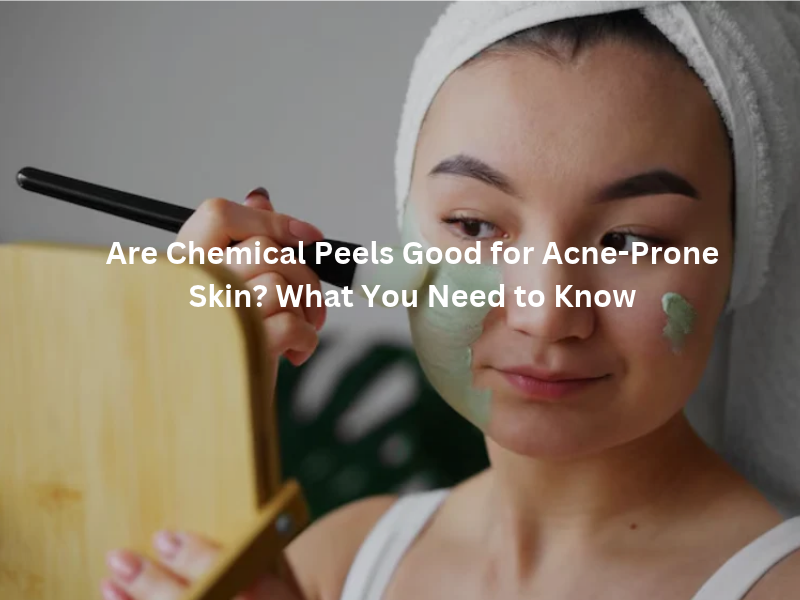
Acne-prone skin can be difficult to manage, especially when breakouts keep returning or leave behind dark spots and uneven texture. While cleansers, creams, and medications can help, many people also consider professional treatments such as chemical peels.
So, are chemical peels good for acne-prone skin? In many cases, they can be helpful when the right type of peel is selected and performed under professional guidance. Chemical peels can help remove dead skin cells, unclog pores, reduce excess oil, and improve the appearance of post-acne marks.
For people considering Chemical Peel Treatment in Delhi, understanding how the procedure works and whether it is suitable for their skin is an important first step.
What Is a Chemical Peel?
A chemical peel is a professional skin treatment that uses a specially selected solution to exfoliate the outer layers of the skin. Depending on the ingredients and strength, a peel can work mainly on the surface or penetrate deeper into the skin.
For acne-prone skin, dermatologists may recommend ingredients such as salicylic acid, glycolic acid, or lactic acid. These ingredients can help remove dead skin cells and improve concerns associated with acne.
The right peel should always be selected after evaluating your skin rather than choosing a treatment based only on online recommendations.
How Can Chemical Peels Help Acne-Prone Skin?
Helps Unclog Pores:
Blocked pores are a common factor in acne. Oil, dead skin cells, and other buildup can contribute to blackheads, whiteheads, and breakouts.
Certain chemical peels help exfoliate dead skin cells and clear pore buildup. This can make the skin appear cleaner and smoother over time.
May Control Excess Oil:
Oily skin can contribute to clogged pores and frequent breakouts. Salicylic acid is commonly used in treatments for acne-prone skin because it can work inside the pores and help remove excess oil and debris.
Improves Post-Acne Marks:
Acne often leaves behind dark spots even after the breakout has healed. These marks can take time to fade naturally.
Chemical peels may help improve the appearance of post-inflammatory pigmentation by encouraging the removal of damaged surface skin cells. Results vary depending on your skin type, pigmentation, and the peel used.
Improves Skin Texture:
Regular breakouts can make the skin look rough or uneven. Professional exfoliation can remove accumulated dead skin cells and improve the overall appearance and texture of the skin.
Which Chemical Peel Is Best for Acne?
There is no single chemical peel that is best for every person.
Salicylic acid peels are commonly considered for oily and acne-prone skin. They may help with clogged pores, blackheads, and whiteheads.
Glycolic acid peels provide exfoliation and may be useful for uneven texture and pigmentation left behind by acne.
Lactic acid peels offer gentler exfoliation and may be considered for certain people with sensitive or uneven skin.
The concentration and frequency of treatment are also important. A stronger peel does not necessarily mean better results. A dermatologist can recommend an appropriate option based on your skin.
Are Chemical Peels Safe for Active Acne?
Chemical peels may be useful for some types of acne, but the timing of treatment matters. Mild acne and clogged pores may sometimes respond well to professionally selected peels.
However, severe, painful, cystic, or highly inflamed acne may require medical treatment before considering a peel. Applying an exfoliating treatment to already irritated skin can increase redness and discomfort and may contribute to pigmentation.
For this reason, a professional skin assessment is recommended before treatment. If you are looking for a best dermatologist in Delhi, choosing a qualified professional who can assess your acne and skin type is more important than selecting a peel based only on its popularity.
What Happens During a Chemical Peel?
Before the procedure, the skin is cleansed to remove oil and impurities. The selected chemical solution is then applied for a controlled period.
You may experience mild tingling, warmth, or temporary stinging during the treatment. Depending on the peel, your skin may appear slightly red or feel tight afterward.
Some chemical peels cause visible peeling during the following days, while others produce little noticeable peeling. Recovery depends on the type and strength of the treatment.
Chemical Peel Aftercare
After a chemical peel, your skin may be more sensitive than usual. Use a gentle cleanser, moisturiser, and broad-spectrum sunscreen as recommended by your dermatologist.
Avoid scrubbing, picking, or peeling flaky skin. Also, avoid adding harsh skincare products unless your dermatologist advises you to use them.
Sun protection is especially important because sun exposure can worsen pigmentation and affect the recovery process.
Can Chemical Peels Treat Acne Scars?
Chemical peels can help improve some post-acne pigmentation and mild surface irregularities, but they cannot remove every type of acne scar.
Deeper scars, including rolling, boxcar, and ice pick scars, may require treatments designed specifically for scar remodeling. Depending on the type and depth of the scar, options may include microneedling, laser treatments, subcision, or other procedures.
Choosing the Right Dermatologist for Acne Treatment
Your skin may respond differently to a chemical peel depending on its sensitivity, pigmentation, acne severity, and current skincare routine. This makes professional evaluation an important part of the process.
If you are searching for the best dermatologist in East Delhi, consider a dermatologist who evaluates your skin individually and explains both the benefits and limitations of the recommended treatment.
Final Thoughts
Chemical peels can help selected people with acne-prone skin by improving clogged pores, excess oil, acne marks, and uneven texture. The right treatment depends on your skin type and acne condition.
If you are considering Chemical Peel Treatment in Delhi, consult a qualified dermatologist. At emaraskinclinic, Dr. Mriganka Mehra can assess your skin and recommend a suitable treatment.
Contact emaraskinclinic today to book a consultation and discuss your skin concerns with Dr. Mriganka Mehra.
Share :