How Seasonal Changes Affect Your Skin and How to Protect It
AI OVERVIEW:
Seasonal changes can affect skin hydration, oil production, and sensitivity. Follow season-specific skincare routines, use sunscreen, stay hydrated, and consult Dr. Mriganka Mehra at Emara Skin Clinic for expert skin care guidance.
Table of Contents
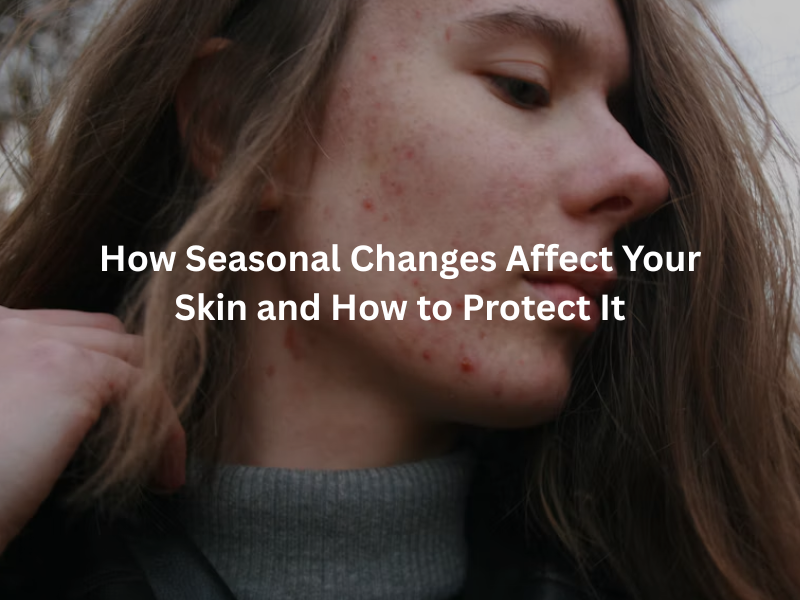
Your skin goes through several changes throughout the year. Just like your body responds to changing temperatures, humidity, and weather conditions, your skin also reacts to seasonal transitions. From excessive sweating during summer to dryness and irritation in winter, every season brings different challenges that can affect your skin’s health and appearance. Understanding these changes and following the right skincare routine can help you maintain healthy, hydrated, and glowing skin throughout the year.
Maintaining healthy skin requires more than following a regular skincare routine. It is important to understand your skin type, identify seasonal concerns, and adjust your skincare habits accordingly. Whether it is summer acne, monsoon-related infections, winter dryness, or springtime sensitivity, choosing the right skincare products and preventive measures can help protect your skin throughout the year. If you experience persistent skin problems, consulting a Dermatologist in East Delhi can help you identify the cause and find suitable solutions.
Why Does Your Skin React to Seasonal Changes?
Your skin acts as a protective barrier between your body and the external environment. Changes in temperature, humidity, sunlight, and air quality can influence how effectively this barrier functions.
For example, hot weather increases sweat and oil production, which may contribute to clogged pores and acne. On the other hand, cold temperatures and low humidity can reduce skin moisture, making it dry, rough, and sensitive.
Seasonal changes can also affect people differently depending on their skin type. Individuals with oily skin may experience more breakouts during summer, while those with dry or sensitive skin may notice increased irritation during winter.
Understanding these differences helps you adjust your skincare routine according to your skin’s changing needs.
Common Skin Problems During Different Seasons
1. Summer: Excess Oil, Acne, and Sun Damage
High temperatures, humidity, and sun exposure can increase oil and sweat production, leading to acne, tanning, sunburn, and heat rashes.
How to protect your skin: Use a lightweight moisturiser, apply broad-spectrum SPF 30+ sunscreen, cleanse your face twice daily, and stay hydrated.
2. Monsoon: Humidity, Fungal Infections, and Breakouts
Increased humidity and sweating can encourage fungal infections, acne, itching, and skin irritation.
How to protect your skin: Keep your skin clean and dry, wear fresh clothes, avoid damp clothing, and use non-comedogenic skincare products. Consult a Skin Specialist in East Delhi if symptoms persist.
3. Winter: Dryness, Flaking, and Skin Sensitivity
Cold weather and low humidity can reduce skin moisture, causing dryness, roughness, cracked skin, and eczema flare-ups.
How to protect your skin: Use a gentle cleanser, apply a moisturiser regularly, avoid hot showers, and continue using sunscreen.
4. Spring: Allergies, Sensitivity, and Irritation
Temperature changes and increased pollen levels may trigger redness, itching, allergic reactions, and skin sensitivity.
How to protect your skin: Follow a simple skincare routine, use gentle products, moisturise regularly, and wash your face after outdoor activities.
Essential Skincare Tips to Follow Throughout the Year
1. Never Skip Sunscreen
Sun protection is essential in every season. Choose a broad-spectrum sunscreen with SPF 30 or higher to protect your skin against UVA and UVB rays. Reapply it regularly when spending time outdoors.
2. Keep Your Skin Hydrated
Drink enough water throughout the day and use a moisturiser suitable for your skin type. Proper hydration supports your skin barrier and helps prevent excessive dryness.
3. Choose Products According to Your Skin Type
Avoid following skincare trends without understanding your skin’s needs. Oily, dry, combination, and sensitive skin types require different products and ingredients.
4. Maintain a Healthy Diet
Include fruits, vegetables, nuts, and foods rich in essential nutrients in your daily diet. A balanced diet supports overall health and provides nutrients that contribute to normal skin function.
5. Avoid Excessive Exfoliation
Exfoliation can help remove dead skin cells, but doing it too frequently may damage the skin barrier and cause irritation. Choose gentle exfoliating products and use them according to your skin’s tolerance.
6. Consult a Dermatologist for Persistent Problems
If you experience recurring acne, pigmentation, unexplained rashes, fungal infections, or severe dryness, professional guidance is important. Early diagnosis can help prevent certain skin conditions from worsening.
When Should You Visit a Dermatologist?
Consult a dermatologist if you experience persistent acne, pigmentation, fungal infections, skin rashes, severe dryness, itching, or unusual skin changes.
At Emara Skin Clinic, Dr. Mriganka Mehra provides professional guidance to help address your skin concerns. Visit a trusted Skin Clinic in East Delhi for suitable skincare advice and treatment.
Get Professional Skin Care Guidance at Emara Skin Clinic
Maintain healthy skin with the right skincare routine and expert guidance. At Emara Skin Clinic, Dr. Mriganka Mehra helps address various skin concerns with suitable treatment options.
For expert skin care advice and treatment, visit Emara Skin Clinic and consult Dr. Mriganka Mehra. Book your appointment today with a trusted Dermatologist in East Delhi and give your skin the care it deserves!
Share :