Adult Acne: Causes, Effective Treatments and Prevention Tips
AI OVERVIEW:
Adult acne can develop due to hormonal changes, stress, genetics, and skincare habits. Treatments include topical ingredients such as salicylic acid and benzoyl peroxide, prescription medications, and personalised skincare routines. Gentle cleansing, moisturising, and sunscreen can help manage breakouts and maintain healthier skin.
Table of Contents
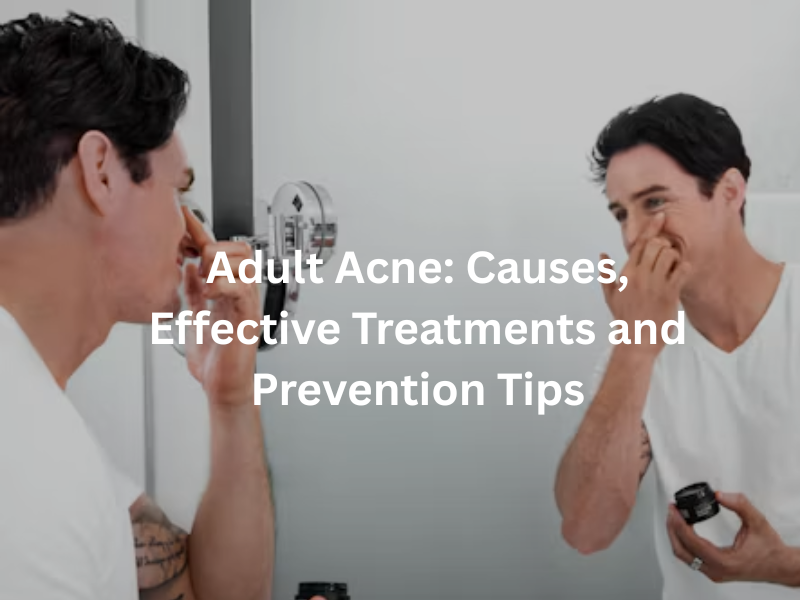
Acne is often associated with teenage years, but breakouts do not always disappear with age. Many adults experience pimples, blackheads, whiteheads, and painful acne well into their 30s, 40s, and beyond. In some cases, people develop acne for the first time during adulthood. This condition, commonly known as adult acne, can affect the face, jawline, chin, neck, chest, and back.
Adult acne can be frustrating, especially when breakouts keep returning despite following a skincare routine. Hormonal changes, stress, lifestyle habits, and unsuitable skincare products can all contribute to the problem. Understanding the underlying causes and choosing the right adult acne treatment in Delhi can help improve skin health and reduce recurring breakouts.
What Causes Adult Acne?
Adult acne develops when hair follicles become clogged with excess oil, dead skin cells, and bacteria. Several factors can contribute to this condition.
1. Hormonal Changes
Hormonal fluctuations are one of the common causes of adult acne, particularly in women. Changes during menstruation, pregnancy, perimenopause, and menopause can increase oil production and trigger breakouts. Hormonal acne often appears around the chin, jawline, and lower cheeks.
2. Stress and Lack of Sleep
Continuous stress can influence hormone levels and increase oil production, making existing acne worse. Poor sleep habits may also affect overall skin health and contribute to recurring breakouts.
3. Incorrect Skincare Products
Using heavy moisturisers, oily cosmetics, or unsuitable skincare products can clog pores. Products that are not labelled non-comedogenic may increase the chances of breakouts.
4. Lifestyle and Dietary Habits
Certain lifestyle factors, including poor sleep, smoking, and dietary patterns, may influence acne in some individuals. High-glycaemic foods and certain dairy products may aggravate breakouts in susceptible people, although dietary triggers vary.
5. Genetics and Medications
Family history can increase your chances of developing acne. Additionally, certain medications may trigger or worsen breakouts.
Different Types of Adult Acne
Understanding the type of acne can help determine the most suitable treatment approach.
- Blackheads: Small dark spots caused by clogged pores.
- Whiteheads: Closed clogged pores that appear as small white bumps.
- Papules: Small, red, inflamed pimples that may feel tender.
- Pustules: Inflamed pimples containing visible pus.
- Nodules and cysts: Deep, painful acne lesions that can increase the risk of permanent scarring.
Adult acne can range from mild breakouts to severe inflammatory acne, making proper identification important.
Effective Treatments for Adult Acne
There is no single treatment that works for everyone. The right approach depends on acne severity, skin type, medical history, and possible triggers.
1. Topical Acne Treatments
Topical products are commonly used to manage mild to moderate acne. Ingredients such as salicylic acid, benzoyl peroxide, and retinoids help unclog pores, reduce inflammation, and control acne-causing bacteria.
Azelaic acid may also help manage breakouts and reduce dark spots left behind after acne heals. These ingredients should be selected according to individual skin needs.
2. Hormonal Acne Treatment
When hormonal fluctuations contribute to recurring breakouts, a dermatologist may consider suitable hormonal treatments. Depending on the individual’s health and medical history, options may include certain oral contraceptives or spironolactone.
3. Oral Medications
For moderate to severe acne, dermatologists may prescribe oral medications such as antibiotics for a limited period. In cases of severe, persistent, or scarring acne, isotretinoin may be considered under careful medical supervision.
4. Professional Dermatological Treatments
Depending on the acne type and severity, professional treatments may be considered alongside medication. Treatment plans may also address post-acne marks and scarring once active breakouts are controlled.
A personalized acne treatment for adults is generally more effective than randomly combining multiple skincare products.
Prevention Tips to Reduce Adult Acne
Although acne cannot always be prevented, following healthy skincare habits can reduce common triggers and support clearer skin.
- Cleanse Regularly: Wash your face twice daily with a gentle cleanser to remove excess oil, sweat, and dirt.
- Choose Non-Comedogenic Products: Use skincare and makeup products that do not clog pores.
- Avoid Touching Your Face: Frequently touching or picking pimples can worsen inflammation and increase the risk of scarring.
- Moisturise Your Skin: Choose a lightweight moisturiser suitable for your skin type.
- Apply Sunscreen: Use broad-spectrum SPF 30 or higher to protect your skin and reduce the risk of dark marks becoming more noticeable.
- Maintain Healthy Habits: Get adequate sleep, manage stress, and follow a balanced diet.
- Avoid Excessive Exfoliation: Overusing scrubs and strong active ingredients can irritate your skin and damage its protective barrier.
Consistency is important because Acne Scar Treatment in Delhi generally takes several weeks to show noticeable improvement.
When Should You Consult a Dermatologist?
If acne continues to return, becomes painful, or starts leaving dark marks and scars, professional guidance is important. Deep cystic acne and persistent breakouts may require prescription treatments rather than regular skincare products.
Dr. Mriganka Mehra emphasises the importance of understanding individual skin concerns before choosing an appropriate treatment approach. Identifying acne triggers early and following a consistent skincare routine can help manage breakouts and support long-term skin health.
Struggling with adult acne or recurring breakouts? Consult Dr. Mriganka Mehra at Emara Skin Clinic for expert skin care guidance and suitable acne treatment options. Book your appointment today!
Share :