
Freckles or Something Else? Understanding Brown Spots on Your Face
AI OVERVIEW:
Brown spots on the face can be caused by freckles, sun exposure, melasma, or post-acne pigmentation. Dr. Mriganka Mehra at Emara Skin Clinic provides personalised evaluation and treatment options for freckles and facial pigmentation.
Table of Contents
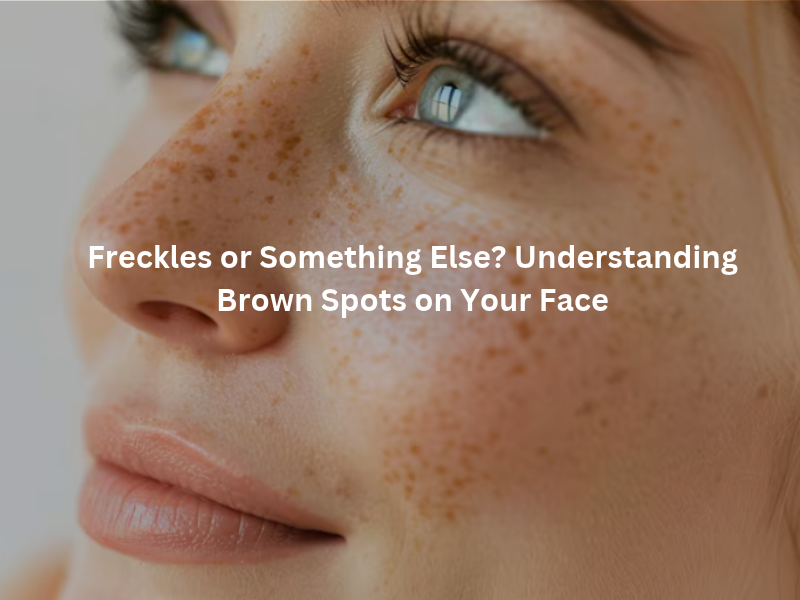
Brown spots on the face are common, but not every brown spot is a freckle. Some may develop because of sun exposure, while others can be linked to ageing, hormonal changes, acne, or other skin concerns. Since many pigmentation problems can look similar, it is not always easy to identify the cause simply by looking at your skin.
Understanding the different types of brown spots can help you recognise changes in your skin and know when professional advice may be helpful.
What Are Freckles?
Freckles are small, flat brown or light tan spots that commonly appear on areas exposed to sunlight. They are often seen on the cheeks, nose, forehead, shoulders, and arms.
Freckles develop because of increased melanin production in the skin. Sun exposure can make them darker and more noticeable. Some people may notice that their freckles become lighter when sun exposure decreases.
Freckles are usually harmless. However, a new or changing brown spot should not automatically be assumed to be a freckle
What Causes Brown Spots on the Face?
Different skin concerns can cause brown or darker spots on the face. Identifying the cause is important because the appropriate treatment depends on the type of pigmentation.
1. Freckles
Freckles are generally small and flat, with a fairly uniform brown or tan colour. They may appear in clusters and often become more visible after sun exposure.
Genetics can also play a role in whether a person develops freckles. While freckles themselves are usually harmless, many people seek Freckles Treatment in Delhi when they want to reduce their appearance.
2. Sunspots
Sunspots, also known as solar lentigines, can develop after repeated exposure to ultraviolet radiation. They are usually flat and brown and may become more noticeable with age.
Unlike freckles, sunspots often remain visible throughout the year and may gradually become more prominent with continued sun exposure.
3. Melasma
Melasma is another common cause of facial pigmentation. It often appears as brown or greyish patches on the cheeks, forehead, nose, or upper lip.
Hormonal changes and sun exposure can contribute to melasma. Because melasma can sometimes resemble other pigmentation concerns, a proper skin evaluation can help determine the most suitable treatment.
4. Post-Acne Marks
Acne can leave dark marks after pimples heal. This is called post-inflammatory hyperpigmentation.
These marks can appear brown, dark brown, or grey depending on the person’s skin tone and the level of inflammation. Picking or squeezing pimples can increase the risk of developing persistent marks.
5. Age-Related Pigmentation
As the skin changes with age, pigmentation may become more noticeable. Long-term sun exposure can contribute to brown spots developing on the face, hands, and other exposed areas.
How Are Freckles Different From Other Brown Spots?
Freckles are usually small, flat, and relatively consistent in appearance. They may become darker during periods of increased sun exposure.
Other pigmentation concerns can have different patterns. Melasma, for example, often appears as larger patches, while sunspots may be more clearly defined and remain visible throughout the year.
However, appearance alone cannot always provide a definite diagnosis. A dermatologist may examine the size, shape, colour, location, and pattern of pigmentation before recommending treatment.
The Importance of Sun Protection
Sun protection plays an important role in managing freckles and other types of pigmentation. Ultraviolet exposure can make existing pigmentation darker and may contribute to the development of additional brown spots.
Using a broad-spectrum sunscreen regularly can help protect the skin. Reapplication is important when spending extended periods outdoors. Wearing a hat, staying in the shade, and reducing prolonged direct sun exposure can provide additional protection.
If you are undergoing pigmentation treatment, following sun protection advice is particularly important because excessive UV exposure can affect treatment results.
Can Freckles Be Prevented?
Freckles cannot always be completely prevented because genetics can influence their development. However, protecting the skin from excessive sun exposure can help reduce their darkening and limit additional sun-related pigmentation.
A consistent skincare routine, daily sunscreen use, and avoiding unnecessary tanning can support healthier-looking skin. It is also important to avoid harsh products that cause repeated irritation, as inflammation can sometimes contribute to pigmentation.
Skin Treatments for Brown Spots
The right skin Treatment in Delhi depends on the reason behind the pigmentation. A dermatologist may first identify the type of brown spots before suggesting a treatment plan.
Depending on the condition, treatment may focus on reducing excess pigmentation, improving skin texture, controlling inflammation, or preventing pigmentation from returning. In some cases, a combination of professional procedures and a suitable home skincare routine may be recommended.
Patience is also important. Pigmentation often takes time to improve, and consistent skincare and sun protection can be an important part of maintaining results.
Final Thoughts
Brown spots are not always freckles, and identifying the cause is important before choosing a treatment. If you are concerned about freckles or facial pigmentation, contact Emara Skin Clinic and consult Dr. Mriganka Mehra for a personalised skin evaluation and suitable treatment options.
Share :