Monsoon Scalp Care: Causes, Symptoms and Treatment of Dandruff and Seborrheic Dermatitis
AI OVERVIEW:
Monsoon humidity can increase scalp oiliness, dandruff, itching, and fungal growth. Maintain scalp hygiene, use a suitable anti-dandruff shampoo, keep your hair dry, and consult Dr. Mriganka Mehra for expert guidance on scalp care and dandruff treatment.
Table of Contents
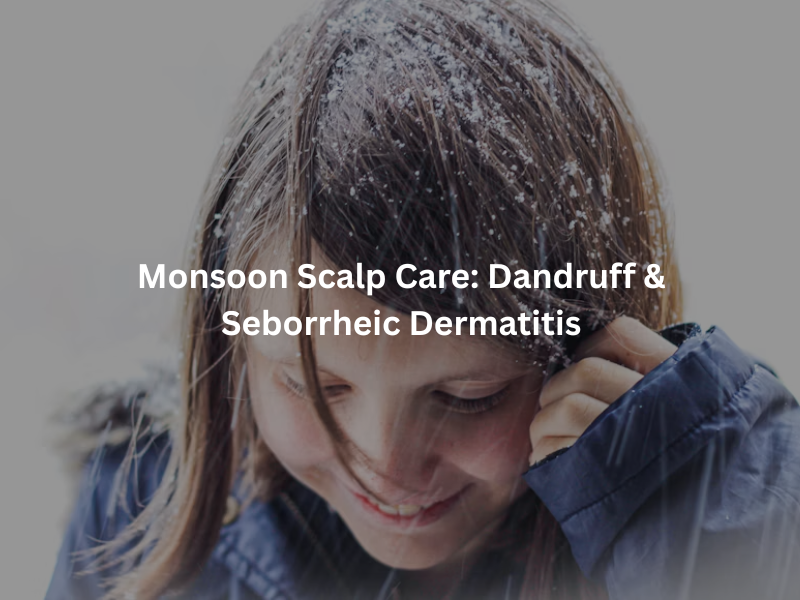
The monsoon season brings relief from the summer heat, but increased humidity and moisture can create several problems for your scalp. Many people experience itching, dandruff, scalp irritation, and excessive flaking during this time. Frequent sweating, wet hair, and poor scalp hygiene can make these concerns worse.
Dandruff and seborrheic dermatitis are two common scalp conditions that may become more noticeable during the rainy season. Although they share similar symptoms, they are not exactly the same. Understanding their causes and choosing the right treatment can help you maintain a healthy scalp.
With proper care and guidance from an experienced dermatologist like Dr. Mriganka Mehra, you can manage scalp concerns and prevent recurring irritation.
Why Does Dandruff Increase During the Monsoon?
Humidity plays an important role in scalp health. During the monsoon, increased moisture in the air and excessive sweating can make the scalp greasy and uncomfortable. When sweat, oil, and dead skin cells accumulate, they may encourage the growth of Malassezia, a naturally occurring yeast associated with dandruff.
Some common reasons include:
- Excessive sweating: Sweat mixes with natural scalp oils and may contribute to irritation.
- High humidity: Moisture can make the scalp feel greasy and uncomfortable.
- Infrequent hair washing: Oil and dead skin cells may build up on the scalp.
- Leaving hair wet: Keeping your scalp damp for long periods may worsen irritation.
- Unsuitable hair products: Heavy oils and styling products can increase buildup.
Maintaining a regular hair care routine can help reduce these triggers.
What Is Seborrheic Dermatitis?
Seborrheic dermatitis is a common inflammatory skin condition that mainly affects areas with more oil-producing glands, including the scalp, eyebrows, sides of the nose, and behind the ears.
It can cause redness, itching, greasy patches, and white or yellowish flakes. Unlike ordinary dandruff, seborrheic dermatitis may involve more noticeable inflammation and irritation.
The condition is not contagious and is not caused by poor hygiene. However, stress, hormonal changes, weather conditions, and increased oil production may trigger flare-ups.
If you frequently experience scalp redness, persistent itching, or thick flakes, consult a dermatologist for proper evaluation.
Common Symptoms of Dandruff and Seborrheic Dermatitis
Both conditions affect the scalp, but their symptoms can vary.
Dandruff symptoms:
- White or grey flakes on the scalp and shoulders.
- Mild to moderate itching.
- Dry or oily scalp.
- Visible flaking, especially after scratching.
- Increased flakes during humid weather.
Seborrheic dermatitis symptoms:
- Red and inflamed patches on the scalp.
- Greasy white or yellowish scales.
- Persistent itching and irritation.
- Thick flakes around the hairline.
- Flaking around the eyebrows, ears, and nose.
Sometimes, these symptoms overlap. A scalp examination can help identify the condition and determine suitable treatment.
Effective Ways to Treat Dandruff During Monsoon
Managing dandruff requires consistent scalp care and suitable products. Here are some practical steps that can help reduce flakes and irritation.
1. Choose the Right Anti-Dandruff Shampoo
Medicated shampoos can help control dandruff. Depending on your scalp condition, a dermatologist may recommend products containing ketoconazole, zinc pyrithione, or selenium sulfide. Follow the recommended instructions and avoid excessive use.
2. Keep Your Scalp Clean and Dry
Wash your hair regularly to remove excess oil, sweat, and product buildup. After washing, gently dry your scalp instead of tying your hair while it is wet.
3. Avoid Excessive Hair Oil Application
Applying heavy oils to an already oily or irritated scalp may worsen symptoms in some individuals. Reduce excessive oil application if you experience recurring dandruff.
4. Avoid Scratching Your Scalp
Scratching may provide temporary relief, but it can damage the scalp and increase irritation. Use gentle hair care products and avoid rubbing your scalp aggressively.
Seborrheic Dermatitis Treatment Options
Seborrheic dermatitis is a recurring condition, but its symptoms can usually be controlled with appropriate care.
Depending on the severity, a dermatologist may recommend:
- Antifungal shampoos: Help control Malassezia yeast on the scalp.
- Medicated scalp lotions: May reduce scaling and irritation.
- Anti-inflammatory treatments: Prescribed topical medications can help manage redness and itching.
- Regular scalp care: Gentle cleansing and avoiding irritating products can help prevent flare-ups.
The right dermatitis treatment depends on the affected area, severity, and individual skin condition. Avoid using strong medicated products without professional guidance.
Monsoon Hair Care Tips for a Healthy Scalp
Small changes in your daily routine can make a noticeable difference in scalp health.
- Wash your scalp after excessive sweating.
- Dry your hair properly after getting caught in the rain.
- Avoid sharing combs, brushes, and towels.
- Clean your hairbrush regularly.
- Choose products suited to your scalp type.
- Avoid excessive styling products.
- Maintain a balanced diet and drink enough water.
- Manage stress and maintain a healthy sleep schedule.
These habits can help maintain scalp hygiene and reduce common monsoon-related hair concerns.
Get Expert Guidance for Scalp Health with Dr. Mriganka Mehra
Healthy hair begins with a healthy scalp. During the monsoon, changes in humidity, sweating, and oil production can make existing scalp conditions more noticeable. Identifying the problem early and following the right care routine can help prevent recurring discomfort.
If you are experiencing persistent dandruff, itching, or scalp inflammation, professional guidance can make a difference. Dr. Mriganka Mehra can help assess your scalp concerns and guide you towards suitable care options.
If you are looking for Hair Treatment in Delhi, a dermatologist consultation can help you understand your scalp condition and explore appropriate treatment options.
Experiencing dandruff, scalp itching, or seborrheic dermatitis? Consult Dr. Mriganka Mehra for expert guidance and personalised scalp care. Book your appointment today and take the first step towards a healthier scalp and stronger hair.
Share :